
"Costa Rican coffee"
800 article(s) found

Costa Rican Coffee processing Plant Costa Rican Coffee from Tarazu Coffee production area
Costa Rican coffee cultivation was introduced by Cuba in 1779 and exported for the first time in 1820. There are about 32000 coffee farmers, with an average planting area of less than one hectare (10000 hectares) per farmer. Costa Rica has a population of 41 billion (2006), with a coffee planting area of 82500 hectares and an annual production of 1.7 million bags (60kgs per bag). The annual domestic consumption is 380000 bags.

What are the flavor and taste characteristics of Costa Rican coffee? Introduction to the treatment of grade honey of Costa Rican coffee beans
Professional coffee knowledge exchange more coffee bean information please follow the coffee workshop (Wechat official account cafe_style) what is the flavor and taste characteristics of Costa Rican coffee? Costa Rican coffee plantations are rich in volcanic ash, mild and suitable temperatures, and stable and abundant rainfall.
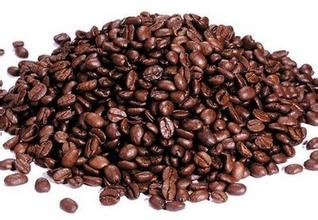
The latest origin of Costa Rican coffee introduces the flavor of Costa Rican coffee.
Costa Rica is bordered by the Caribbean Sea to the east and the Pacific Ocean to the west, as the country's name means in Spanish: a fertile coast. Located in the south of SanJos, the capital of Tarasu, Costa Rica is one of the most valued coffee growers in the country. Tarasu (Tarrazu) is one of the major coffee producers in the world. Coffee farming is extremely important in Costa Rican agriculture.

Ice drop Costa Rican coffee demonstration Costa Rican coffee can still be drunk in this way
Professional barista communication please follow coffee workshop (Wechat official account cafe_style) Coffee Lab 2017-10-04 Ice drop Costa Rican cranberry coffee material: Dongtian Costa Rican grape honey treated coffee beans 25.5g frozen cranberry 32.4 g ice water 580g equipment: manual bean grinder curling kettle production method: coffee bean powder is ground, coffee powder is poured into the filter cup

Costa Rican Coffee-Costa Rican Coffee
Costa Rica's high latitudes produce coffee beans famous in the world, rich, mild taste, but extremely sour, coffee beans here are carefully processed, it is because of this, only high-quality coffee. Tarasu, south of San Jos, Costa Rica's capital, is one of the country's most prized coffee plantations. Tarrazu in the World

Costa Rican Saint Roman Coffee Taste characteristics of Costa Rican Saint Roman
Professional baristas Please follow the Coffee Workshop (Wechat official account cafe_style) Costa Rican coffee was introduced from Cuba in 1779 and exported for the first time in 1820. There are about 32000 coffee farmers, with an average planting area of less than one hectare (10000 tons). Costa Rica has a population of 41 billion (2006) and a coffee planting area of 82500 mu.

Costa Rican boutique coffee beans introduce Costa Rican coffee flavor Costa Rican coffee species
Tarrazu in Costa Rica is one of the major coffee producing areas in the world. The coffee produced is light and pure in flavor and pleasant in aroma. Costa Rica, with its fertile volcanic soil and good drainage, is the first country in Central America to grow coffee and bananas for commercial value. Coffee and bananas are the country's main exports. In 1729, coffee was introduced from Cuba to Costa.

Costa Rican coffee. How about Costa Rican coffee? Costa Rican coffee tastes like Goth.
Tarrazu in Costa Rica is one of the major coffee producing areas in the world. The coffee produced is light and pure in flavor and pleasant in aroma. Costa Rica, with its fertile volcanic soil and good drainage, is the first country in Central America to grow coffee and bananas for commercial value. Coffee and bananas are the country's main exports. In 1729, coffee was introduced from Cuba to Costa.
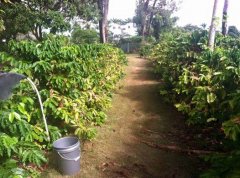
Costa Rica once banned the cultivation of robusta coffee and now dominates the world with honey-treated coffee.
Professional coffee knowledge exchange more coffee bean information please follow the coffee workshop (Wechat official account cafe_style) [Coffee producing trip] Costa Rican coffee once banned the cultivation of Robusta, now the Costa Rican coffee industry began to develop very early in the Costa Rican forest with honey, and coffee was shipped to Colombia and Chile in 1820.

Costa Rican Coffee Origins Costa Rican Coffee Practices
Full-bodied particles, ideal acidity, unique and intense aroma. Tarrazu, Costa Rica, is one of the world's leading coffee producers, producing coffee with a light, pure flavor and pleasant aroma. Costa Rica's volcanic soils are fertile and well drained, making it the first country in Central America to grow coffee and bananas for commercial value. Coffee and bananas are the country's staple foods.

Costa Rican Coffee Origins Costa Rican Coffee Practices
Full-bodied particles, ideal acidity, unique and intense aroma. Tarrazu, Costa Rica, is one of the world's leading coffee producers, producing coffee with a light, pure flavor and pleasant aroma. Costa Rica's volcanic soils are fertile and well drained, making it the first country in Central America to grow coffee and bananas for commercial value. Coffee and bananas are the country's staple foods.

Costa Rican Coffee Origins Costa Rican Coffee Practices
Full-bodied particles, ideal acidity, unique and intense aroma. Tarrazu, Costa Rica, is one of the world's leading coffee producers, producing coffee with a light, pure flavor and pleasant aroma. Costa Rica's volcanic soils are fertile and well drained, making it the first country in Central America to grow coffee and bananas for commercial value. Coffee and bananas are the country's staple foods.

Costa Rican Coffee-Origin Flavor Taste Estate Introduction Costa Rican Coffee Flavor
Costa Rican Coffee-Origin Tarrazu, Costa Rica, is one of the world's leading coffee producers, producing coffee with a light, pure flavor and pleasant aroma. Costa Rica's volcanic soils are fertile and well drained, making it the first country in Central America to grow coffee and bananas for commercial value. Coffee and bananas are the country's main exports. 1729

Costa Rican Coffee Beans Canette Manor Musicians Series Costa Rican Beethoven Coffee
Professional coffee knowledge exchange More coffee bean information Please pay attention to coffee workshop (Weixin Official Accounts cafe_style) What are the characteristics of Costa Rica coffee beans? Coffee bean varieties Canet Musician series-Beethoven (washed)

Costa Rican Coffee Manor Fire Phoenix Manor introduces Costa Rican coffee producing areas
Tarrazu in Costa Rican coffee is one of the major coffee producing areas in the world. The coffee produced has a light and pure flavor and pleasant aroma. Located in the south of the country's capital, San Jos, Tarasu is one of the most valued coffee growers in the country. La Minita Tarrazu coffee is a famous local product, but the production is limited, about

Introduction of Costa Rican boutique coffee characteristics of Costa Rican coffee Costa Rican coffee products
Tarrazu in Costa Rica is one of the major coffee producing areas in the world. The coffee produced is light and pure in flavor and pleasant in aroma. Costa Rica, with its fertile volcanic soil and good drainage, is the first country in Central America to grow coffee and bananas for commercial value. Coffee and bananas are the country's main exports. In 1729, coffee was introduced from Cuba to Costa.

Costa Rican boutique coffee producing area introduces Costa Rican coffee flavor and characteristic Tarazhu coffee
Costa Rican coffee cultivation was introduced by Cuba in 1779 and exported for the first time in 1820. There are about 32000 coffee farmers, with an average planting area of less than one hectare (10000 hectares) per farmer. Costa Rica has a population of 41 billion (2006), with a coffee planting area of 82500 hectares and an annual production of 1.7 million bags (60kgs per bag). The annual domestic consumption is 380000 bags.

Characteristics of Costa Rican coffee beans Costa Rican coffee bean flavor
Tarrazu in Costa Rica is one of the major coffee producing areas in the world. The coffee produced is light and pure in flavor and pleasant in aroma. Costa Rica, with its fertile volcanic soil and good drainage, is the first country in Central America to grow coffee and bananas for commercial value. Coffee and bananas are the country's main exports. In 1729, coffee was introduced from Cuba to Goth.